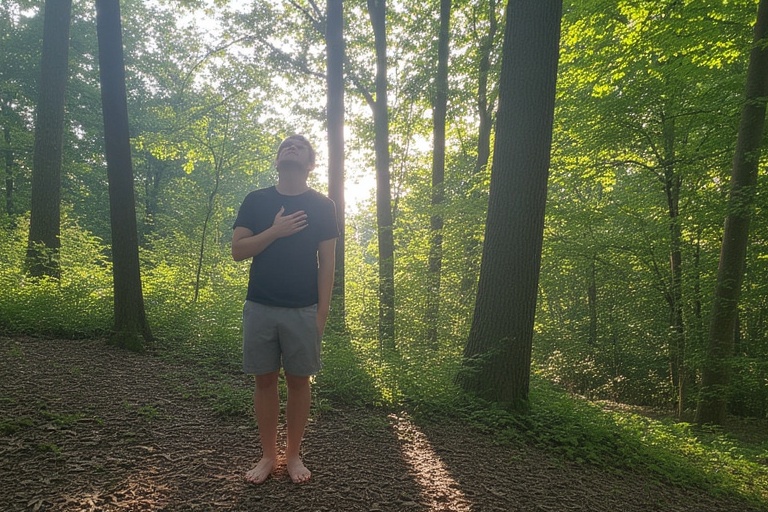
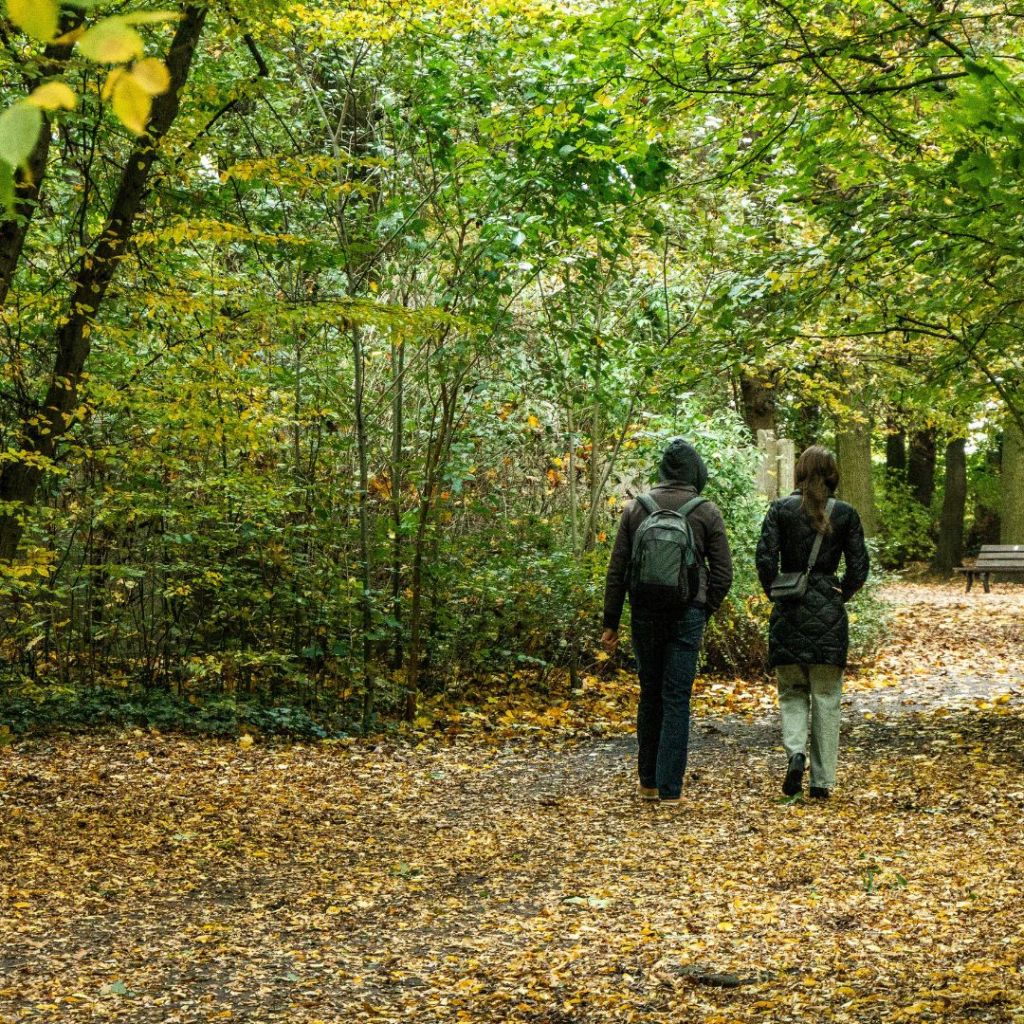
• Walk and Talk Therapy is exactly what it sounds like: therapy that takes place outdoors, usually side-by-side, while walking.

    Sometimes also referred to as outdoor therapy, or ecotherapy, it is becoming an increasingly popular alternative to traditional counselling in the UK.

    But behind this simple idea is a growing body of research suggesting that combining movement, nature, and conversation can support emotional processing in ways traditional therapy sometimes cannot. Walk and Talk Therapy is sometimes also referred to as outdoor therapy or walking therapy, and is becoming an increasingly popular alternative to traditional counselling in the UK. 

    I offer Walk and Talk Therapy in the Charnwood and Loughborough area. For many, it can feel like a gentler, more natural way to begin counselling.

    In this article, we’ll explore:

    • What Walk and Talk Therapy is
    • The research-backed benefits
    • Who it might suit best
    • Why it can feel easier than sitting in a therapy room

    What Is Walk and Talk Therapy?

    Walk and Talk Therapy is a form of counselling or psychotherapy that happens outdoors, often in parks, woodland, or quiet public spaces, where the client and therapist walk together.

    During a Walk and Talk counselling session, I still use the same therapeutic approaches (person-centred, experiential, CBT, integrative, mindfulness), but the environment and movement change the experience.

    Rather than sitting face-to-face, you walk side-by-side.

    For many people, that subtle shift matters more than you might expect.


    The Research Behind Walk and Talk Therapy

    Although research into Walk and Talk Therapy in the UK is still emerging, early studies and related psychological research offer strong support for this approach.

    1. Improvements in Mood and Wellbeing

    A 2025 study by Prince-Llewellyn & McCarthy (2025) found that participants who engaged in walk and talk therapy experienced:

    • Reduced psychological distress
    • Increased wellbeing
    • Greater self-awareness and acceptance

    Participants also described the combination of nature and movement as helping them feel freer to express themselves and, in doing so, maximise the benefits of the therapeutic space (Glasgow Caledonian University).

    You can explore the study here:
    https://doi.org/10.1002/capr.12847


    2. Comparable (or Promising) Outcomes to Traditional Therapy

    A randomised pilot study (2024) comparing walk and talk therapy with indoor therapy for men with low mood found:

    • High engagement and retention (over 89%)
    • Strong attendance rates
    • High satisfaction with the therapy experience

    This is particularly important because men are statistically less likely to engage with traditional therapy formats.

    If you want to read the full study:
    https://pmc.ncbi.nlm.nih.gov/articles/PMC11795730/


    3. The Mental Health Benefits of Movement

    There is extensive evidence that physical activity supports mental health, particularly for depression and anxiety.

    Walking increases:

    • Endorphins
    • Blood flow to the brain
    • Cognitive flexibility

    This can make it easier to:

    • Access thoughts and feelings
    • Shift perspective
    • Process difficult emotions

    Research summarised by WebMD highlights that exercise can enhance psychotherapy outcomes, with some clients experiencing greater openness and insight during movement.


    4. Nature as a Regulating Environment

    Spending time in nature has been linked to:

    • Reduced stress
    • Improved attention and memory
    • Emotional regulation

    One explanation is Attention Restoration Theory, which suggests natural environments gently restore cognitive capacity and reduce mental fatigue. This is one of the reasons approaches like Walk and Talk Therapy, sometimes described as ecotherapy, can feel so regulating and supportive.

    The Open University also highlights that combining walking with outdoor environments can enhance both physical and psychological wellbeing.


    Why Walk and Talk Therapy Feels Different

    Beyond the research, there are some very human reasons this form of outdoor therapy can feel easier.

    1. Less Intense Than Face-to-Face Therapy

    Sitting directly opposite a therapist can feel exposing.

    Walking side-by-side:

    • Reduces eye contact pressure
    • Creates a sense of shared direction
    • Feels less like being “analysed”

    Some clients find it easier to open up this way, especially when talking about difficult experiences.

    2. Movement Helps Emotional Processing

    You might notice:

    • Your thoughts flow more freely
    • You feel less “stuck”
    • Emotions shift as your body moves

    There’s something powerful about not being physically still while working through something internal.

    3. A Sense of Freedom and Perspective

    Clients often describe:

    • Feeling “less trapped”
    • Gaining new perspectives
    • Thinking more clearly

    Being outdoors can symbolically and physically create space, something that’s often missing when we feel overwhelmed.

    4. A More Equal, Collaborative Space

    In a therapy room, the therapist’s space can feel like a position of authority.

    Outside:

    • You share the same environment
    • You move at a shared pace
    • The experience feels more collaborative

    This can subtly strengthen the therapeutic relationship.

    Who Is Walk and Talk Therapy Helpful For?

    Walk and Talk Therapy may be particularly helpful if you:

    • Feel uncomfortable in traditional therapy settings
    • Struggle with eye contact or social pressure
    • Find it hard to sit still or focus
    • Experience anxiety, stress, or low mood
    • Think more clearly when moving
    • Feel stuck or disconnected

    It can also be especially supportive for:


    Practical Considerations: What to Bring

    Because this is outdoor counselling in the UK, a little preparation helps you feel more comfortable and able to focus on the session itself.

    I usually recommend:

    • Comfortable, suitable footwear (trainers or walking shoes depending on terrain)
    • A waterproof coat
    • Waterproof trousers in colder or wetter months
    • A drink: water, or even a thermos with something warm
    • hat and gloves when it is colder
    water bottle and gloves

    We can also slow the pace right down, pause, or sit if needed. This isn’t about fitness, it’s about creating a space that works for you. 


    Things to Consider

    Like any approach, Walk and Talk Therapy isn’t for everyone.

    Some factors to think about:

    • Weather and physical ability
    • Privacy (public spaces vs quieter routes)
    • Accessibility needs

    Like any good therapist, I’ll talk this through with you beforehand so we can decide what feels right.


    Walk and Talk Therapy in Charnwood & Loughborough

    Walk and Talk Therapy isn’t about replacing traditional counselling.

    It’s about offering another way in.

    For some people, sitting in a room and talking works well.
    For others, it feels stuck before it even begins.

    Walking side-by-side can gently shift that.

    Not by forcing anything, but by creating the conditions where things can unfold more naturally.

    If you’re looking for Walk and Talk Therapy or ecotherapy in Loughborough or the wider Charnwood area, I offer sessions in local outdoor spaces that feel calm, accessible, and supportive of the work we’re doing together.

    If you’re curious but unsure, that’s completely okay.

    You don’t need to have the right words or a clear starting point. We can figure that out together. You can read more about my approach to counselling and how I work on my main counselling page

    You’re welcome to get in touch for a free initial consultation, where we can talk about what you’re looking for, how Walk and Talk Therapy works in practice, and whether it feels like a good fit for you. 

  • Understanding Depression: How Person-Centred Therapy Can Help You Heal


    Discover the symptoms of depression, how it affects daily life, and how person-centred therapy can support your journey towards emotional well-being. As a British online counsellor, I provide compassionate, tailored support to help you manage and overcome depression.

    What is Depression and How Can It Affect You?

    Photo by Nathan Cowley on Pexels.com

    Depression is more than just feeling sad or experiencing a bad day. It’s a complex mental health condition that affects your mood, thoughts, energy, and overall functioning. The World Health Organization (WHO) describes depression as a common mental disorder characterised by persistent sadness, loss of interest in activities, and an inability to carry out daily tasks for at least two weeks. It can lead to a range of emotional and physical problems, such as feelings of hopelessness, difficulty concentrating, changes in appetite, and disrupted sleep patterns.

    Depression doesn’t just affect your mood; it seeps into every part of life, from personal relationships to work and even your physical health. It can cause withdrawal from social activities, a lack of motivation, and a constant feeling of fatigue. If left untreated, it can make it difficult to live a fulfilling life and even lead to more serious consequences such as self-harm or suicide.

    Signs and Symptoms of Depression

    The symptoms of depression can vary greatly from person to person, but there are common signs to look out for. These may include:

    • Persistent sadness or low mood that doesn’t seem to lift.
    • Loss of interest in activities that you used to enjoy, including hobbies or socialising.
    • Fatigue or lack of energy, even after rest.
    • Sleep disturbances, including insomnia or oversleeping.
    • Changes in appetite, either eating too much or too little.
    • Feelings of guilt or worthlessness, often with no apparent reason.
    • Difficulty concentrating, making decisions, or remembering things.
    • Thoughts of self-harm or suicide, either actions, plans or just thoughts
    Photo by Sofia Alejandra on Pexels.com

    Some lesser-known signs can include irritability, unexplained physical pain, or restlessness. While everyone experiences low moments from time to time, if these feelings persist and interfere with your daily life, it may be time to seek support.

    How Person-Centred Therapy Helps with Depression

    Person-centred therapy, also known as client-centred therapy, is an approach that places the individual at the heart of the therapeutic process. Developed by Carl Rogers in the 1950s, it focuses on empathy and striving to understand the client’s “inner world”.

    A person-centred therapist provides a supportive and non-judgmental environment where clients feel safe to express their thoughts and emotions. Empathy is crucial in person-centred therapy, and the therapist works hard to deeply understand the client’s depression and perspective, validating their emotions and helping them feel heard.

    Rather than offering advice or directions, the therapist encourages self-reflection and helps the client explore their thoughts in a way that leads to greater self-awareness. By reflecting and carefully clarifying the client’s statements, the therapist fosters an environment where the client can gain insight into their own experiences. This process operates under the assumption that clients know themselves best, and therefore, the solution to their depression is already within them.

    The Role of the Therapist in Person-Centred Counselling

    As a person-centred counsellor, my role is to provide a compassionate and tailored space for you to explore your thoughts, feelings, and behaviours. This process helps you gain deeper insight into your depression and work towards healing. In our sessions, you are in control of the pace and direction of the conversation.

    Sarah sat listening at her computer desk

    I’m here to listen without judgment, offer empathy, and provide a space where you can openly explore what’s going on inside your mind. The focus is on empowering you to find your own solutions and make meaningful changes. This approach supports your natural capacity for growth and healing, even during times when it feels unreachable.

    Online Counselling for Depression: Why It’s Accessible and Effective

    One of the main benefits of online counselling is accessibility. Whether you live in a rural area, have a busy schedule, or prefer the comfort of your own home, online therapy allows you to receive professional support without the barriers of location or time. Sessions can be scheduled at a time that suits you, making therapy more flexible and fitting around your lifestyle.

    As a member of the British Association for Counselling and Psychotherapy (BACP), I adhere to their professional code of ethics, ensuring that our work together is safe, confidential, and in your best interests. Online counselling also maintains the same ethical standards as face-to-face therapy, while offering the convenience of virtual support.

    Get Started Today

    If you’re ready to take the first step in managing your depression, contact me for a free 30-minute consultation.

    ← Back

    Thank you for your response. ✨

  • Understanding Anxiety: Symptoms, Treatment, and How Therapy Can Help

    Anxiety is more than just feeling worried. Anxiety can affect how we think, feel, and behave, often leaving us feeling stuck. When functional and mild it is a feeling of unease; it tells us to be cautious, ‘watch your step’ and pay attention. When severe, it is an alarm calling our attention in a specific direction. 

    What is Anxiety?

    While anxiety can occur in response to specific situations, if it becomes more persistent, anxiety that disrupts daily life may be a sign of an anxiety disorder. According to the NHS, anxiety disorders affect millions of people, with symptoms that include restlessness, constant worry, and difficulty concentrating, which interferes with daily activities and can impair a person’s family, social and working life

    Physical Symptoms of Anxiety

    Anxiety isn’t just a mental experience; it significantly impacts the body. The vagus nerve, one of the longest nerves in the body, plays a crucial role in the “fight or flight” response often often becomes over-sensitive in those with anxiety. The vagus nerve connects the brain to many organs, including the heart, lungs, and digestive system.

    When anxiety occurs, the vagus nerve activates the stress response, leading to physical symptoms such as:

    • Rapid heartbeat or palpitations
    • Shallow breathing or hyperventilation
    • High blood pressure
    • Tension in the muscles, which often results in pain, including neck and back pain
    • Stomach discomfort, nausea, or digestive issues
    • Sweating and dizziness

    These symptoms are your body’s natural response to perceived threats, even if no immediate danger exists. You can reduce these physical symptoms by calming the vagus nerve through deep breathing, mindfulness, and other techniques, including using a vagus nerve simulator. You can learn more about the vagus nerve and its role in anxiety in online talking therapy with me or any counsellor trained in Polyvagal theory from the PolyVagal Institute.

    How Anxiety Affects Thinking

    Living with anxiety often feels like being trapped in a cycle of “what if” scenarios, constantly expecting something to go wrong. Anxious thoughts can be overwhelming, making it difficult to focus on the present. People with anxiety often experience:

    These thought patterns are often automatic and deeply ingrained, making it hard to think calmly at that moment. If you can relate, know that you’re not alone—these patterns can be addressed and changed with support.

    How to Manage Anxiety with Therapy

    Person-centred counselling for anxiety offers a non-judgemental, empathetic space for you to explore your anxious thoughts, behaviours and feelings. This approach views you as the expert in your experience, with the counsellor there to support you to find clarity, reframe your thoughts and find the right way forward for you.

    As an experienced psychotherapeutic counsellor, I use a person-centred approach combined with experiential techniques to help you:

    • Explore the root causes of your anxiety and how it affects your life.
    • Challenge negative thought patterns in a supportive environment.
    • Develop coping strategies tailored to you, such as relaxation techniques and grounding exercises.
    • Build self-compassion and understanding towards yourself, helping to ease feelings of guilt or shame often associated with anxiety.

    Online talking therapy is effective for treating anxiety, especially as it allows you to talk to a therapist like me in the comfort of your own home or even your car. I am a person-centred therapist, but I also use Cognitive-behavioural therapy (CBT) techniques. A particularly effective talking therapy for anxiety, which works by challenging negative thought patterns and learning healthier coping mechanisms.

    How I Can Help You with Anxious Thoughts

    I was lucky enough to have been trained by Deb Dana, a member of the research team involved in developing the polyvagal theory. So I can work with how anxiety influences not just your emotions, thoughts and behaviours, but also your physical body and breaking the negative feedback loop back to your emotions. As an online person-centred counsellor, I offer flexible and supportive sessions tailored to your needs. Whether you experience mild or severe anxiety, my approach focuses on creating a trusting relationship where you feel heard and understood.

    Together, we can create a path toward healing and emotional well-being by:

    • Understanding your anxiety triggers and breaking the cycle of negative thoughts.
    • Managing the physical symptoms of anxiety by calming the vagus nerve through a variety of techniques.
    • Reframing anxious thoughts into more balanced, rational perspectives.
    • Building resilience so you can face life’s challenges without being overwhelmed by fear or worry.

    If you’re ready to take that first step, then please reach out.

    ← Back

    Thank you for your response. ✨

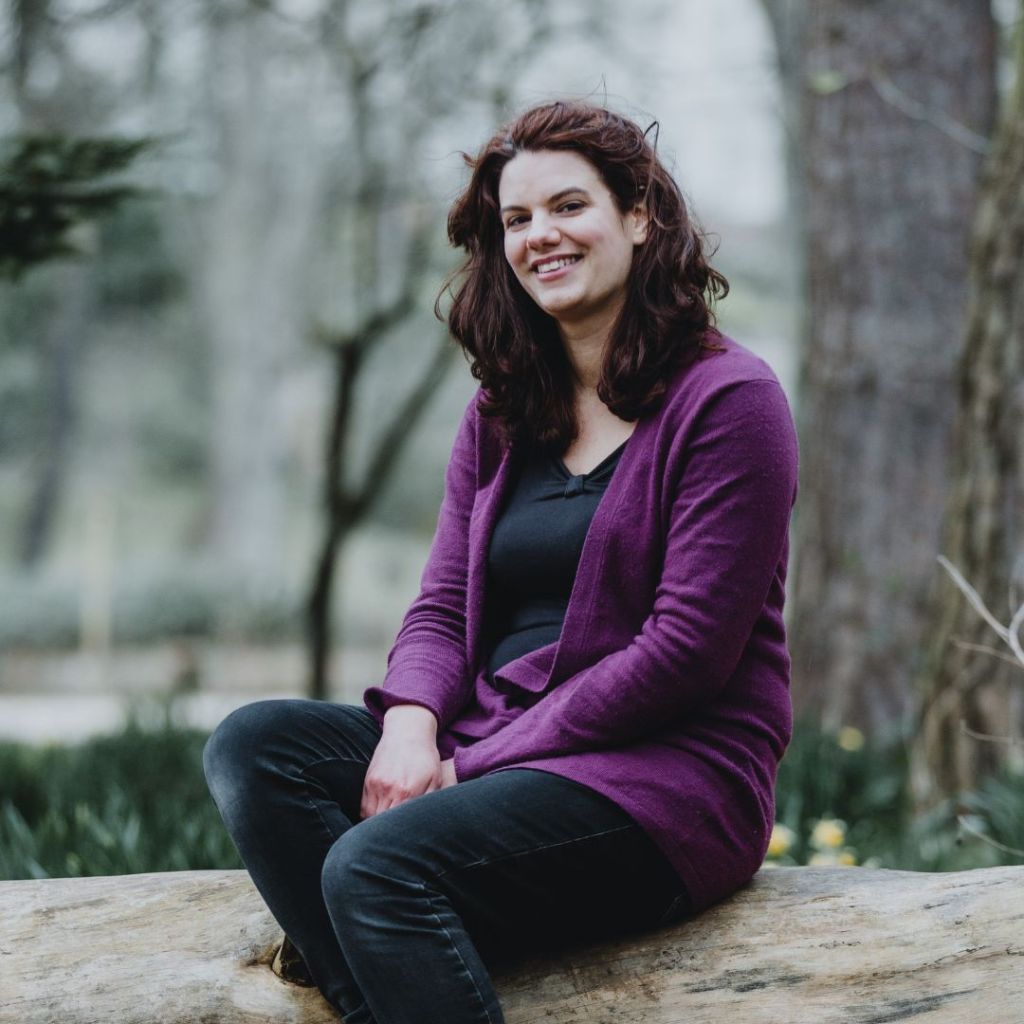
    Sarah Morrell sitting on a log and smiling dressed in black and purple

  • Sarah Morrell Blog

    As a counsellor, my greatest skill is listening. Every session, I gather insights—how you see your circumstances, your relationships, and even life itself. Together, we explore the pieces that stand out, making sense of patterns and perspectives.

    But there’s always more—countless thoughts, stories, and ideas that don’t make it into our conversations.

    Not because they are not valuable, but because time and focus demand choices.

    Rather than letting these insights disappear, I’ve decided to collect them. Like a cabinet of curiosities, this space holds reflections on mental health, resilience, and personal growth.