Person-Centred counselling for adults
UK-based, working online with adults in the UK and, where appropriate, internationally.
You may have been holding things together for a long time.
Perhaps you’re used to coping, managing, caring for other people or simply getting on with things. But something has changed. Your capacity feels different, you’re overwhelmed more easily, or you’ve lost touch with what you actually need.
I work alongside you to slow things down, rather than rushing to figure everything out. This works especially well for those who are overwhelmed, exhausted, have executive functioning challenges, or are struggling to keep everything together.
Perhaps you’ve tried counselling before and it didn’t quite feel like the right fit. Or maybe you’ve been given plenty of advice about what you should do, when what you really needed was space to understand what was happening for you.
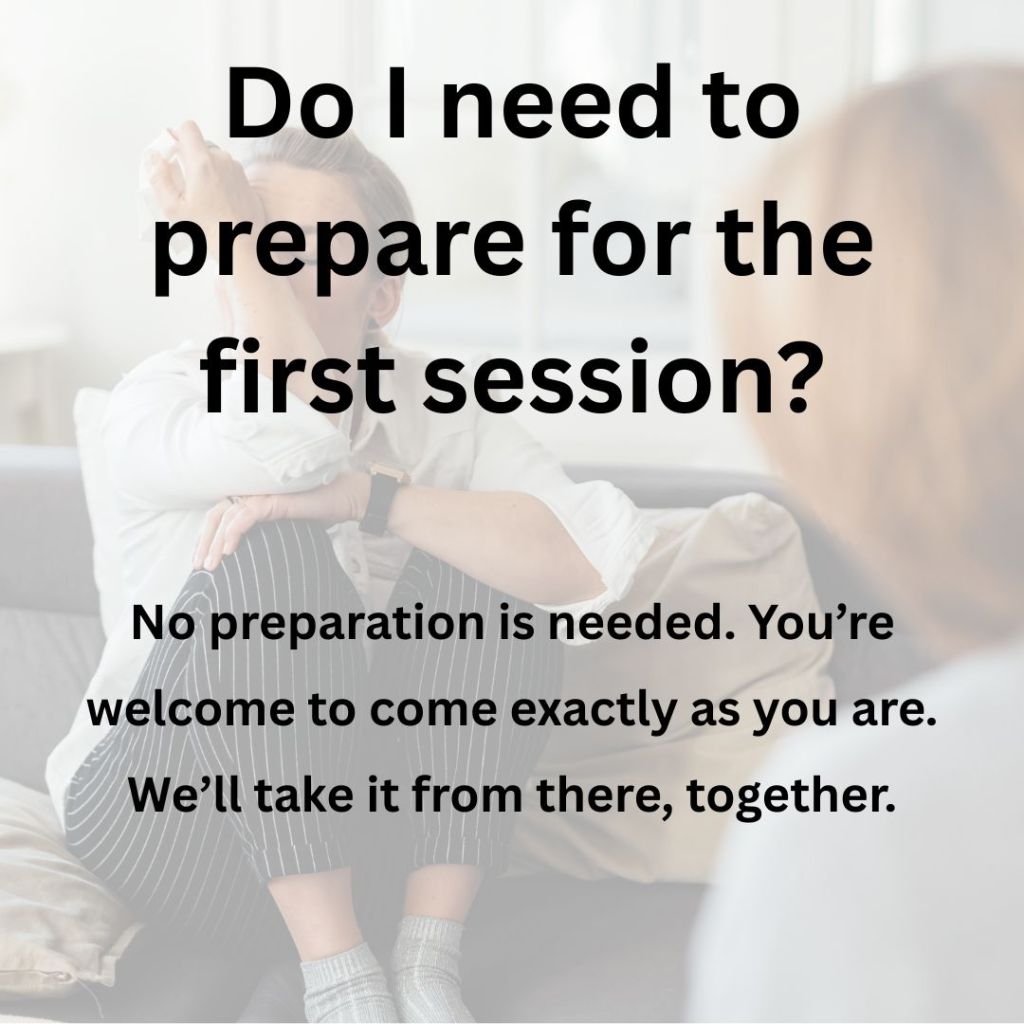
In our online counselling sessions, you don’t have to hold it all together or explain things perfectly. You can arrive as you are, and we make sense of things together at a pace that feels manageable.
You might be here because something inside you feels heavy, unclear, or difficult to manage on your own anymore.
Not necessarily a crisis, but a sense that you’re carrying too much, overthinking too often, or finding it harder to stay connected to yourself in the way you’d like.
You might be here because:
- Overwhelm, emotional intensity, or feeling “full” mentally or emotionally
- Anxiety, overthinking, or difficulty switching off
- Repeating patterns in relationships or self-criticism
- Burnout, stress, or feeling like they are constantly managing themselves
- The emotional impact of long-term health conditions or fatigue
- Difficulty resting, setting boundaries, or trusting their own needs
Many people I work with describe feeling like they are “functioning, but not okay inside.”
What sessions are like
My approach is person-centred, which means the focus is on your experience, not a fixed method or agenda
In practice, this means:
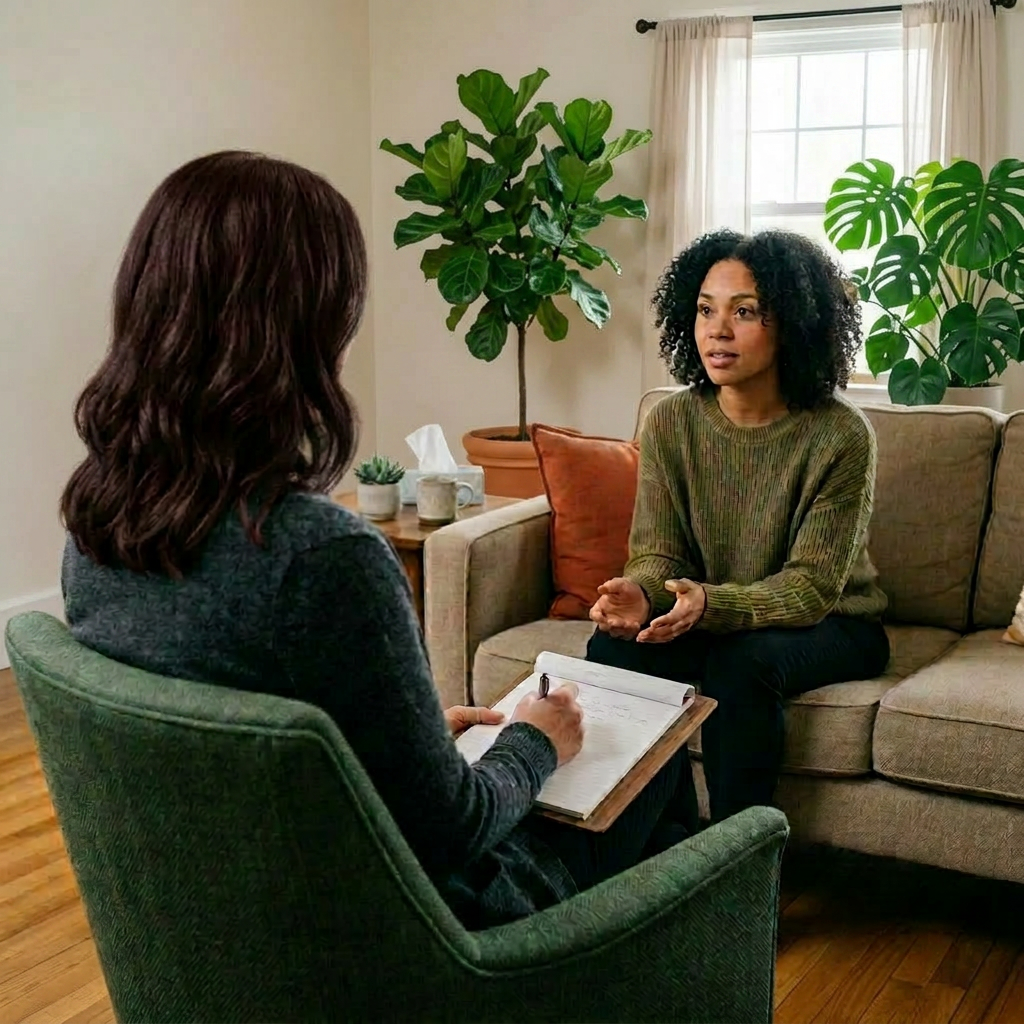
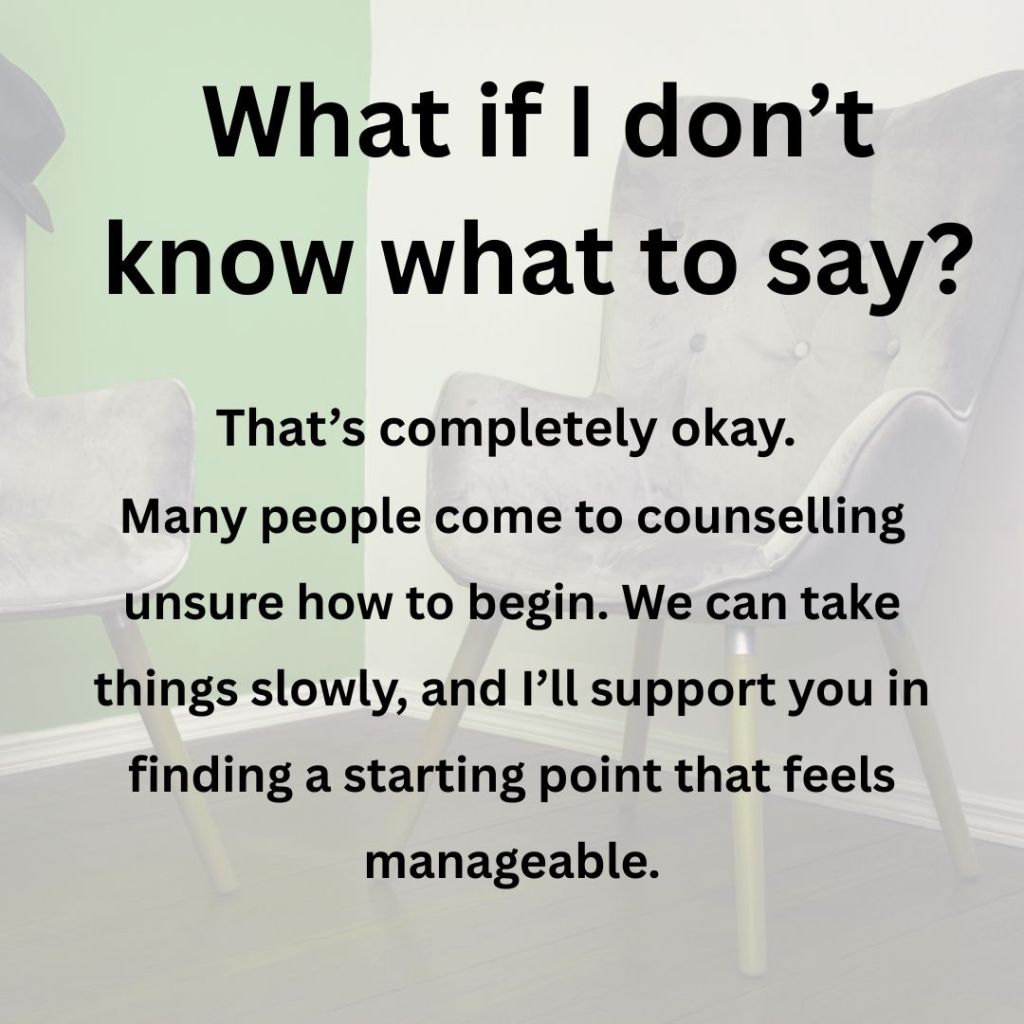
- No rush or pressure: go at your pace
- You don’t need to arrive with the “right” words
- You choose what is important
- No judgment: I explore your thoughts, feelings, and body responses with curiosity
Over time, counselling can help things feel less tangled and more understandable. Not by forcing change, but by creating space for you to reconnect with yourself in a steadier way.
Some sessions are about talking things through. Others may be quieter, reflective, or focused on noticing what’s happening in the present moment.
If this the kind of space you are looking for get in touch.
Online counselling based in the UK
I’m based in the UK and offer online counselling to adults across Britain, Ireland and beyond.
I often work with people living outside the UK who are wanting counselling from a native English speaker. I have insurance and payment options to make the process just as smooth as for my UK clients.
Space to Explore
“Sarah’s counselling sessions have offered me a space to explore my understanding of my emotions and habits. She does this considering my neurodivergence and unique personal experiences, all while being open to my preferences to do mindful activities during our sessions”
— G
“Her insights and tools have been brilliant. She is calm, methodical, and genuinely cares. I’ve felt more empowered as a result of our sessions.
– Sarah Watts, Life Coach
“Amazing, down to earth, honestly a Life changer! who makes me feel valued, heard and is proactively motivated to giving relatable comparisons whether personal or global which help navigate and understand situations better”
– Anonymous Client
Attentive and Grounded
“It’s not just me that’s changed — my family have also become less agitated.”
– Anonymous Client
“I have found Sarah the most helpful of all the therapists I’ve tried and have been overall able to sustain changes etc I’ve made – long may it last”
– Anonymous Client
Sarah has been just what I needed to navigate through a tough time in my life. She knows when to listen and when to interject and she is always able to make me feel at ease even in very difficult subjects.
– Anonymous Client
“She’s listening and understanding me”
– Anonymous Client
Good Listener
“She is supportive, a great listener, kind and gentle. I feel respected and valued in her presence.”
– Aaron L.
“Sarah is very understanding and makes intelligent points to help me figure out my situation.”
– Anonymous Client
“Sarah was good at listening and has some great practical knowledge to help deal with difficult situations”
– Anonymous Client
“She always strives to support those in need and enable them to achieve, even through difficult times.”
– Danny S.
My approach
The most important part of therapy is the relationship: feeling understood, safe, and able to be yourself. That’s why my work is grounded in the person-centred approach, developed by Carl Rogers.
This means I offer:
- Empathy: I use deep listening to understand your experience
- Authenticity: I offer a genuine, human presence in the room
- Unconditional positive regard: I give acceptance without judgment
I don’t see you as something to fix.
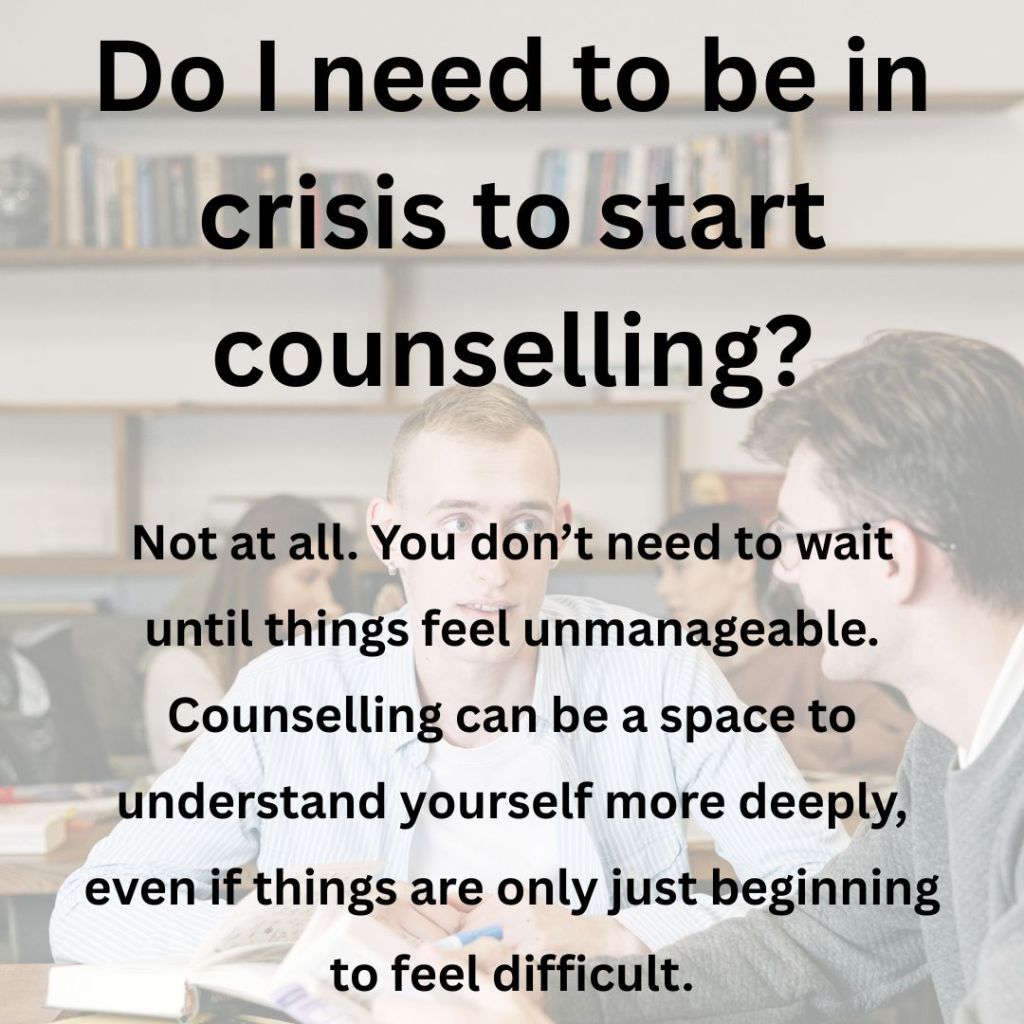
Instead, I see therapy as a way to understand yourself more deeply and allow change to happen in its own way and time. You do not to do anything in advance.
When therapy hasn’t worked in the past
Unfortunately, not everyone has found therapy helpful; this can leave you feeling misunderstood.
You might have been left with the sense that you were:
- hard to read
- not engaging “in the right way”
- or that therapy simply didn’t work for you
In my experience, this is often less about resistance, and more about fit.
We all process thoughts, emotions, and experiences differently. When therapy moves too quickly, relies heavily on verbal expression, or feels like there is a “right way” to do it, it can be difficult to feel fully met.
My approach is to create a space where you don’t have to perform, explain everything clearly, or keep up with a particular pace.
Instead, we work with what is in your awareness that session, allowing understanding and change to develop more naturally over time.
Practical details
Sessions are online and last 50 minutes, usually over Microsoft Teams but I can use other apps or do a Telephone appointment
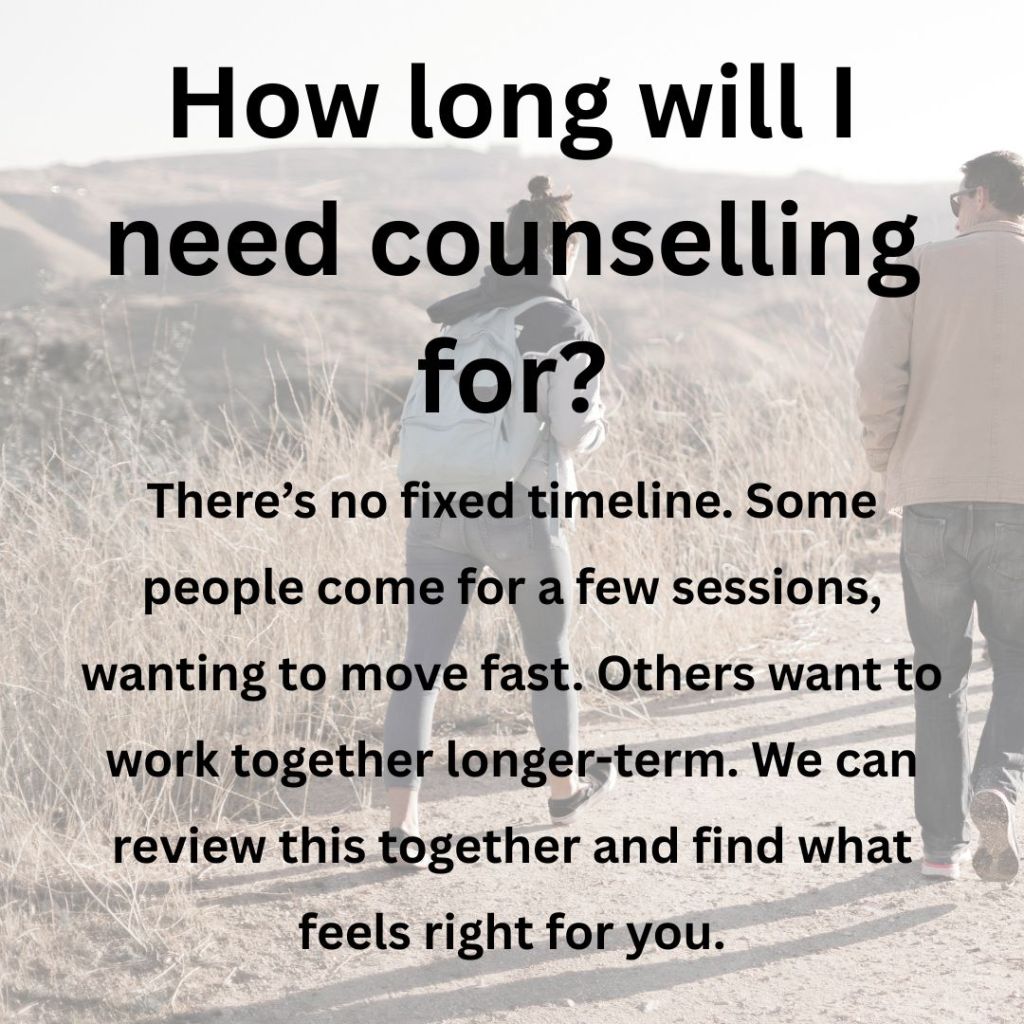
Sessions are usually weekly, but we can adapt depending on your circumstances
Fee: £50 per session
Reduced-fee spaces may be available for students, carers, and those on a low income. Please feel free to ask
Daytime and evening slots available
If you’re based outside the UK, I can convert my availability for your time zone – just ask
Starting counselling
The first step is usually a free initial consultation.
This is a short conversation where we can:
- talk about what’s bringing you to counselling
- explore whether working together feels like a good fit
- answer any questions you might have
There is no obligation to continue afterwards.
Get in touch
If this feels like the kind of support you’ve been looking for, you’re very welcome to reach out.
We can start with a free initial conversation, with no pressure to continue.

