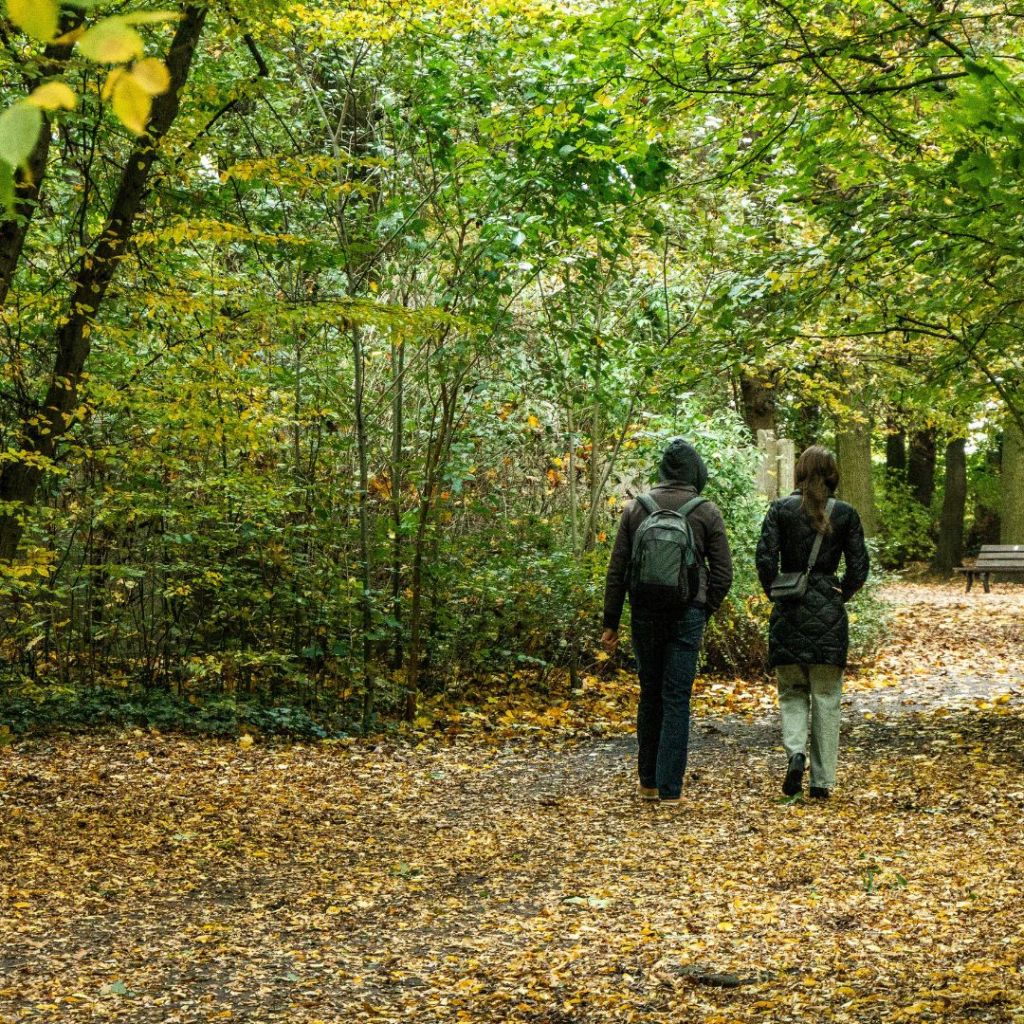
Walk and Talk Therapy is exactly what it sounds like: therapy that takes place outdoors, usually side-by-side, while walking.
Sometimes also referred to as outdoor therapy, or ecotherapy, it is becoming an increasingly popular alternative to traditional counselling in the UK.
But behind this simple idea is a growing body of research suggesting that combining movement, nature, and conversation can support emotional processing in ways traditional therapy sometimes cannot. Walk and Talk Therapy is sometimes also referred to as outdoor therapy or walking therapy, and is becoming an increasingly popular alternative to traditional counselling in the UK.
I offer Walk and Talk Therapy in the Charnwood and Loughborough area. For many, it can feel like a gentler, more natural way to begin counselling.
In this article, we’ll explore:
- What Walk and Talk Therapy is
- The research-backed benefits
- Who it might suit best
- Why it can feel easier than sitting in a therapy room
What Is Walk and Talk Therapy?
Walk and Talk Therapy is a form of counselling or psychotherapy that happens outdoors, often in parks, woodland, or quiet public spaces, where the client and therapist walk together.
During a Walk and Talk counselling session, I still use the same therapeutic approaches (person-centred, experiential, CBT, integrative, mindfulness), but the environment and movement change the experience.
Rather than sitting face-to-face, you walk side-by-side.
For many people, that subtle shift matters more than you might expect.
The Research Behind Walk and Talk Therapy
Although research into Walk and Talk Therapy in the UK is still emerging, early studies and related psychological research offer strong support for this approach.
1. Improvements in Mood and Wellbeing
A 2025 study by Prince-Llewellyn & McCarthy (2025) found that participants who engaged in walk and talk therapy experienced:
- Reduced psychological distress
- Increased wellbeing
- Greater self-awareness and acceptance
Participants also described the combination of nature and movement as helping them feel freer to express themselves and, in doing so, maximise the benefits of the therapeutic space (Glasgow Caledonian University).
You can explore the study here:
https://doi.org/10.1002/capr.12847
2. Comparable (or Promising) Outcomes to Traditional Therapy
A randomised pilot study (2024) comparing walk and talk therapy with indoor therapy for men with low mood found:
- High engagement and retention (over 89%)
- Strong attendance rates
- High satisfaction with the therapy experience
This is particularly important because men are statistically less likely to engage with traditional therapy formats.
If you want to read the full study:
https://pmc.ncbi.nlm.nih.gov/articles/PMC11795730/
3. The Mental Health Benefits of Movement
There is extensive evidence that physical activity supports mental health, particularly for depression and anxiety.
Walking increases:
- Endorphins
- Blood flow to the brain
- Cognitive flexibility

This can make it easier to:
- Access thoughts and feelings
- Shift perspective
- Process difficult emotions
Research summarised by WebMD highlights that exercise can enhance psychotherapy outcomes, with some clients experiencing greater openness and insight during movement.
4. Nature as a Regulating Environment
Spending time in nature has been linked to:
- Reduced stress
- Improved attention and memory
- Emotional regulation
One explanation is Attention Restoration Theory, which suggests natural environments gently restore cognitive capacity and reduce mental fatigue. This is one of the reasons approaches like Walk and Talk Therapy, sometimes described as ecotherapy, can feel so regulating and supportive.
The Open University also highlights that combining walking with outdoor environments can enhance both physical and psychological wellbeing.
Why Walk and Talk Therapy Feels Different
Beyond the research, there are some very human reasons this form of outdoor therapy can feel easier.
1. Less Intense Than Face-to-Face Therapy
Sitting directly opposite a therapist can feel exposing.
Walking side-by-side:
- Reduces eye contact pressure
- Creates a sense of shared direction
- Feels less like being “analysed”
Some clients find it easier to open up this way, especially when talking about difficult experiences.
2. Movement Helps Emotional Processing
You might notice:
- Your thoughts flow more freely
- You feel less “stuck”
- Emotions shift as your body moves
There’s something powerful about not being physically still while working through something internal.
3. A Sense of Freedom and Perspective
Clients often describe:
- Feeling “less trapped”
- Gaining new perspectives
- Thinking more clearly
Being outdoors can symbolically and physically create space, something that’s often missing when we feel overwhelmed.
4. A More Equal, Collaborative Space
In a therapy room, the therapist’s space can feel like a position of authority.
Outside:
- You share the same environment
- You move at a shared pace
- The experience feels more collaborative
This can subtly strengthen the therapeutic relationship.
Who Is Walk and Talk Therapy Helpful For?
Walk and Talk Therapy may be particularly helpful if you:
- Feel uncomfortable in traditional therapy settings
- Struggle with eye contact or social pressure
- Find it hard to sit still or focus
- Experience anxiety, stress, or low mood
- Think more clearly when moving
- Feel stuck or disconnected
It can also be especially supportive for:
- Men who may find traditional therapy harder to engage with
- Neurodivergent clients
- People who feel overwhelmed or “shut down” indoors
Practical Considerations: What to Bring
Because this is outdoor counselling in the UK, a little preparation helps you feel more comfortable and able to focus on the session itself.
I usually recommend:
- Comfortable, suitable footwear (trainers or walking shoes depending on terrain)
- A waterproof coat
- Waterproof trousers in colder or wetter months
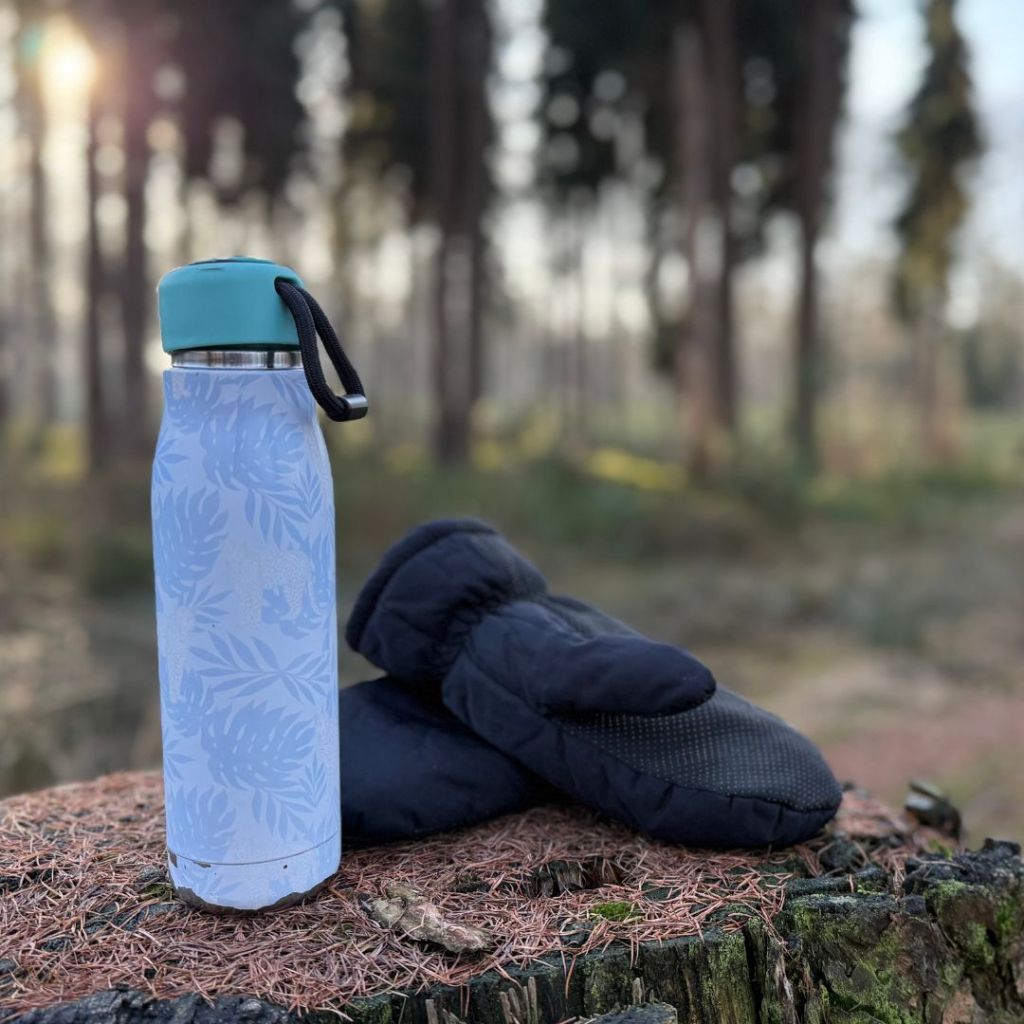
- A drink: water, or even a thermos with something warm
- hat and gloves when it is colder
We can also slow the pace right down, pause, or sit if needed. This isn’t about fitness, it’s about creating a space that works for you.
Things to Consider
Like any approach, Walk and Talk Therapy isn’t for everyone.
Some factors to think about:
- Weather and physical ability
- Privacy (public spaces vs quieter routes)
- Accessibility needs
Like any good therapist, I’ll talk this through with you beforehand so we can decide what feels right.
Walk and Talk Therapy in Charnwood & Loughborough
Walk and Talk Therapy isn’t about replacing traditional counselling.
It’s about offering another way in.
For some people, sitting in a room and talking works well.
For others, it feels stuck before it even begins.
Walking side-by-side can gently shift that.
Not by forcing anything, but by creating the conditions where things can unfold more naturally.
If you’re looking for Walk and Talk Therapy or ecotherapy in Loughborough or the wider Charnwood area, I offer sessions in local outdoor spaces that feel calm, accessible, and supportive of the work we’re doing together.
If you’re curious but unsure, that’s completely okay.
You don’t need to have the right words or a clear starting point. We can figure that out together. You can read more about my approach to counselling and how I work on my main counselling page.
You’re welcome to get in touch for a free initial consultation, where we can talk about what you’re looking for, how Walk and Talk Therapy works in practice, and whether it feels like a good fit for you.


Leave a Reply